Thapar Institute of Engineering & Technology

Central Workshop

Central Workshop at Thapar

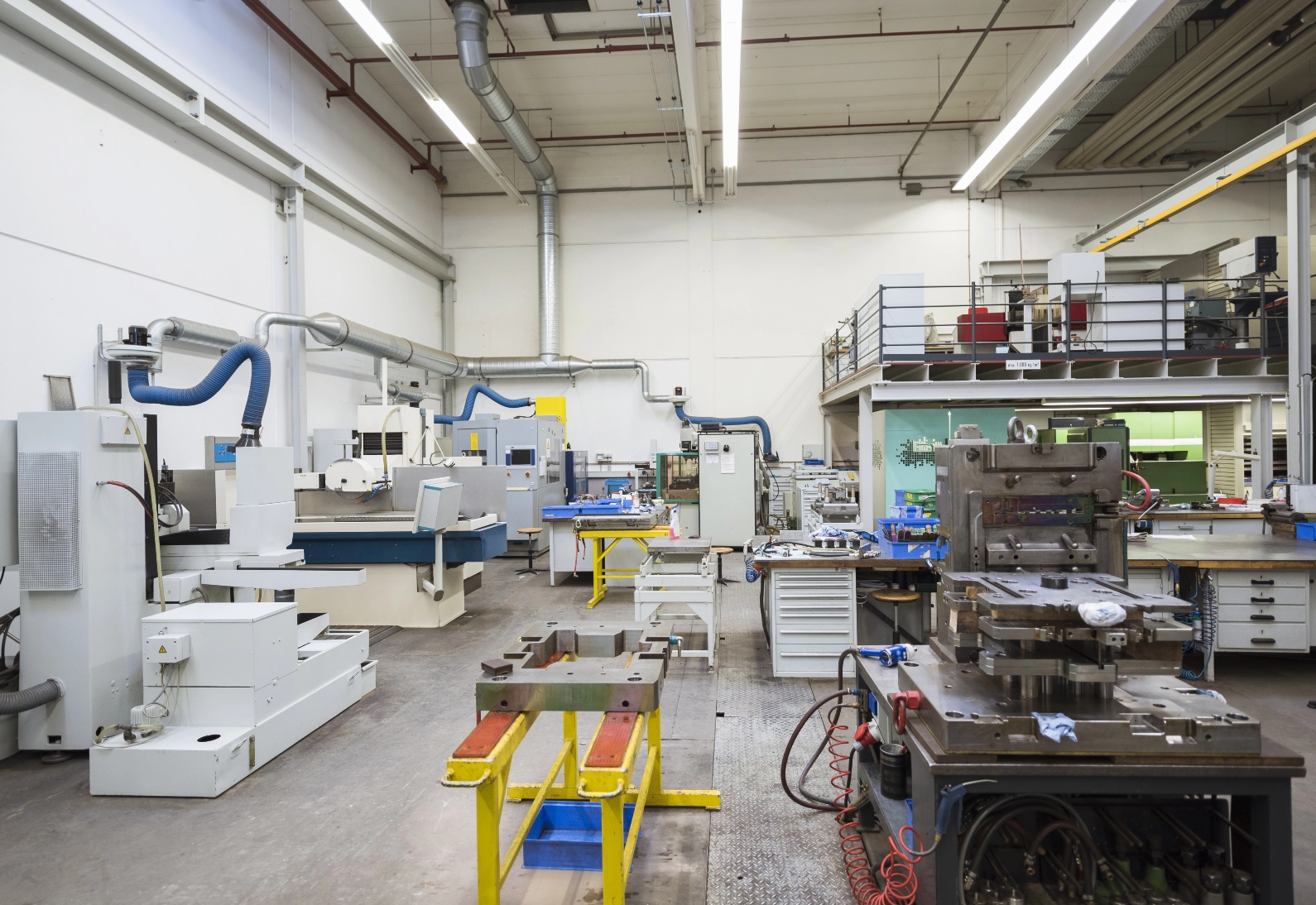
The Central Workshop at Thapar Institute of Engineering & Technology is where students turn what they learn in the classroom into something they can build, test and improve. At the University, you get hands-on experience with real tools, machines and manufacturing processes, helping you understand how an idea moves from a drawing or concept to a working product.

Every year, more than 3,500 students at Thapar gain practical experience through the Central Workshop. You learn how different manufacturing processes work, how to choose the right process for a particular application, and how to solve practical problems with confidence.
What You Can Learn

Students at the University can gain hands-on experience across a range of conventional and advanced manufacturing areas, including:

  • Metal Casting – understand how components are shaped from molten metal.
  • Machining – learn how materials are cut and shaped to precise specifications.
  • Computer-Aided Manufacturing (CAM) – take digital designs into the manufacturing process.
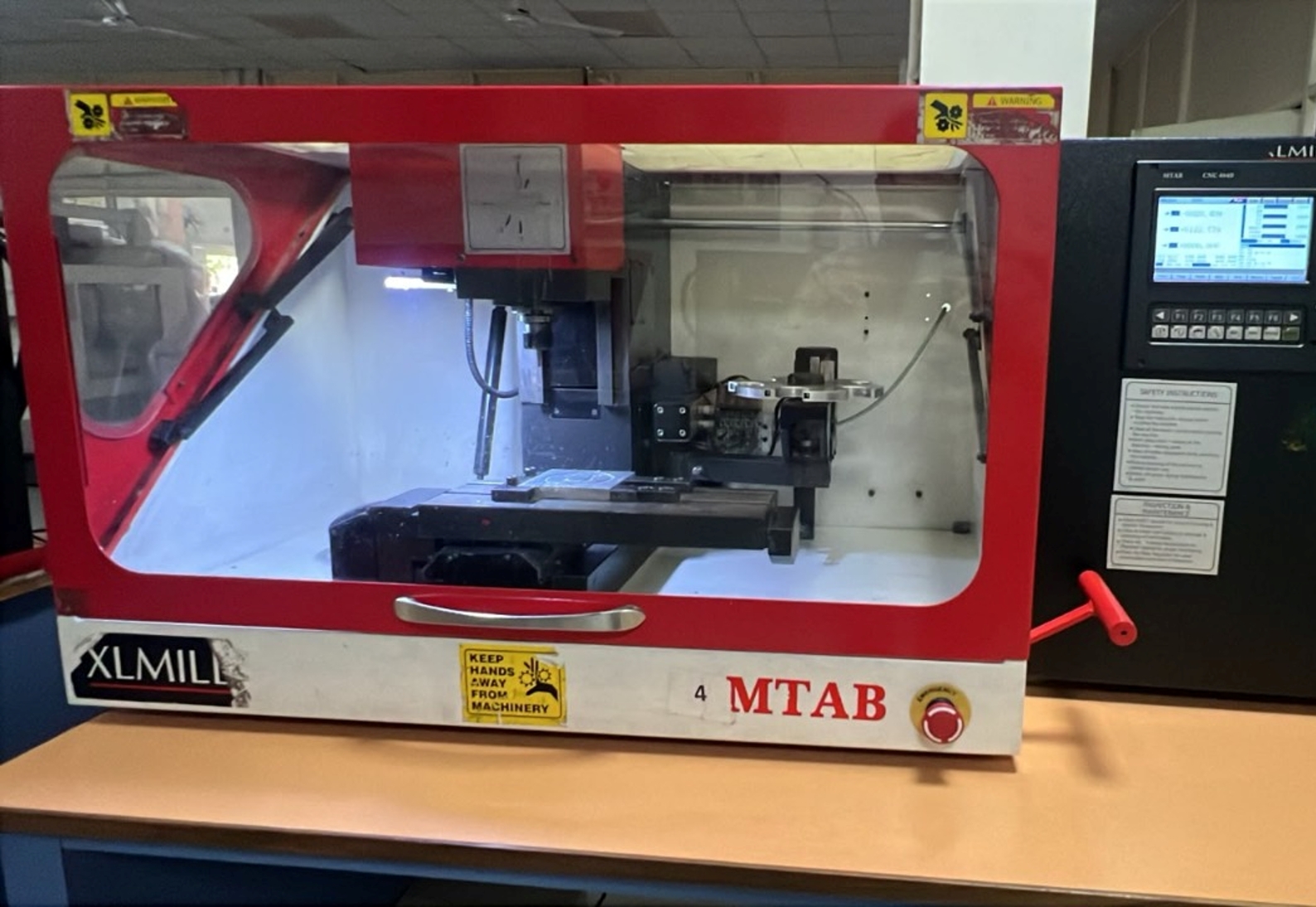
  • CNC Machining – work with computer-controlled machines used in modern manufacturing.
  • Welding & Joining – learn techniques used to join and assemble components.
  • Additive Manufacturing (3D Printing) – turn digital designs into physical prototypes and products.
  • Welding Simulation and CNC Simulation – explore and practise manufacturing processes in a controlled digital environment.

Learn by Doing

At Thapar, the focus is on learning by doing. Whether you are working on a course assignment, developing a student project or exploring your own product idea, the Central Workshop helps you connect engineering concepts with real-world manufacturing.

You learn to ask practical questions: How can I make this? Which process should I use? What can I improve? With access to conventional manufacturing methods, advanced machinery and simulation tools, you develop the practical skills, confidence and problem-solving mindset needed to turn ideas into products.

From Ideas to Products

The Central Workshop supports students across the University in academic work, research and student projects. It provides an environment where you can experiment, work with different manufacturing technologies and develop your ideas beyond the classroom.

Whether you are studying Mechanical Engineering or another discipline at Thapar, the Workshop gives you opportunities to understand how concepts, design and manufacturing come together to create solutions for the real world.

Different Shops/Lab of
Central Workshop and Existing Facilities


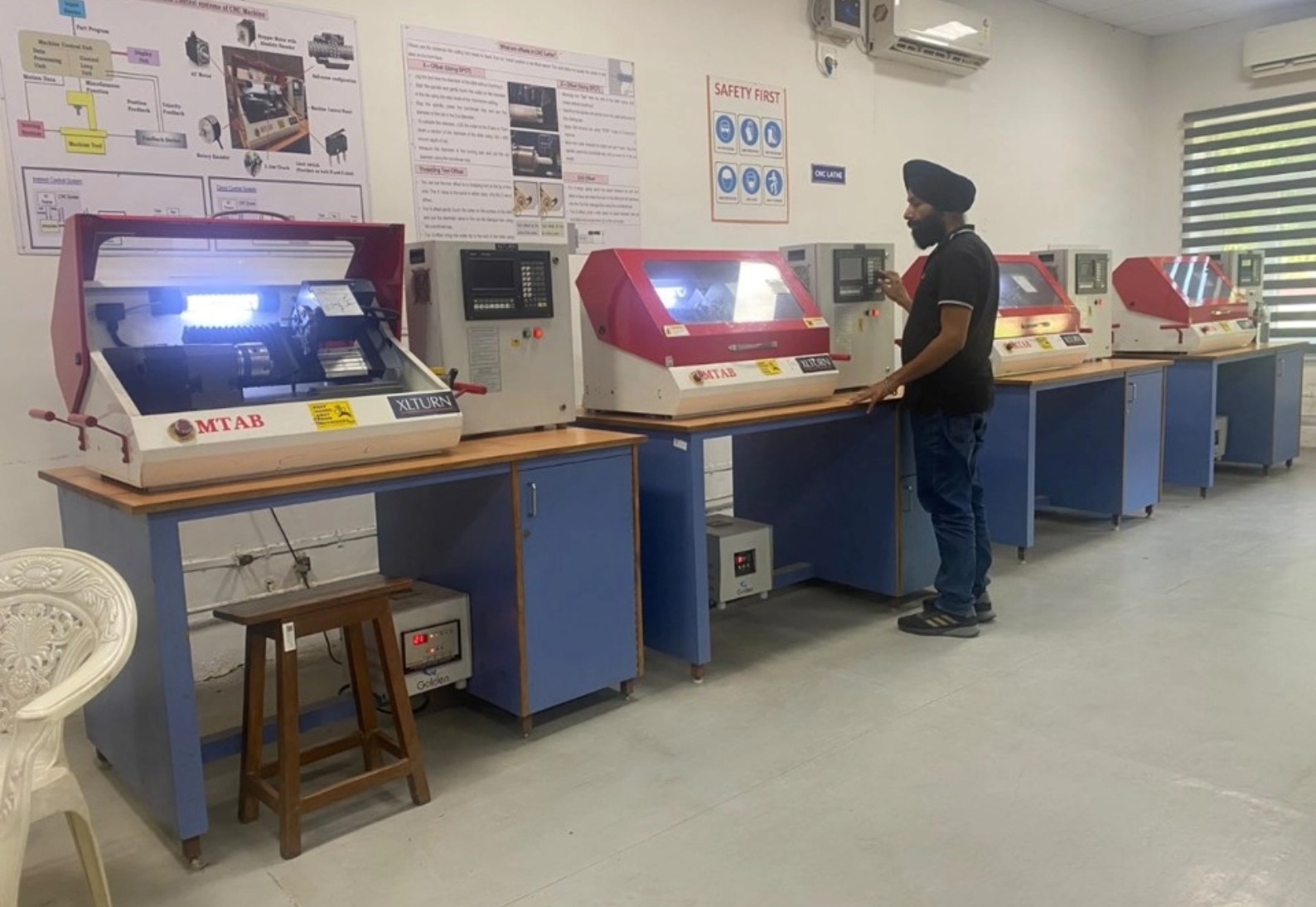
CNC LAB

The CNC Lab introduces students to computer-controlled manufacturing, where programmed instructions guide machines to shape metal into precise components. Using CNC milling and turning machines, students learn how digital designs and machining programs are translated into physical parts. The lab builds practical skills in precision machining, tool selection and manufacturing processes used in modern industry.

CONVENTIONAL MACHINE SHOP

The Conventional Machine Shop gives students hands-on experience with traditional metalworking techniques. Using equipment such as lathes, milling machines, shapers and drilling machines, students learn to cut, shape and finish metal components to specified dimensions. These foundational skills help them understand how machine parts are manufactured and how different machining operations contribute to a finished product.

CNC SIMULATION LAB

The CNC Simulation Lab allows students to learn and practise computer numerical control (CNC) programming in a simulated environment before operating physical machines. Using specialised software, they develop machining programs, work with G and M codes, select tools and understand machine-control systems. The lab helps students build programming and manufacturing skills while visualising how their instructions translate into machining operations.

SHEET METAL SHOP

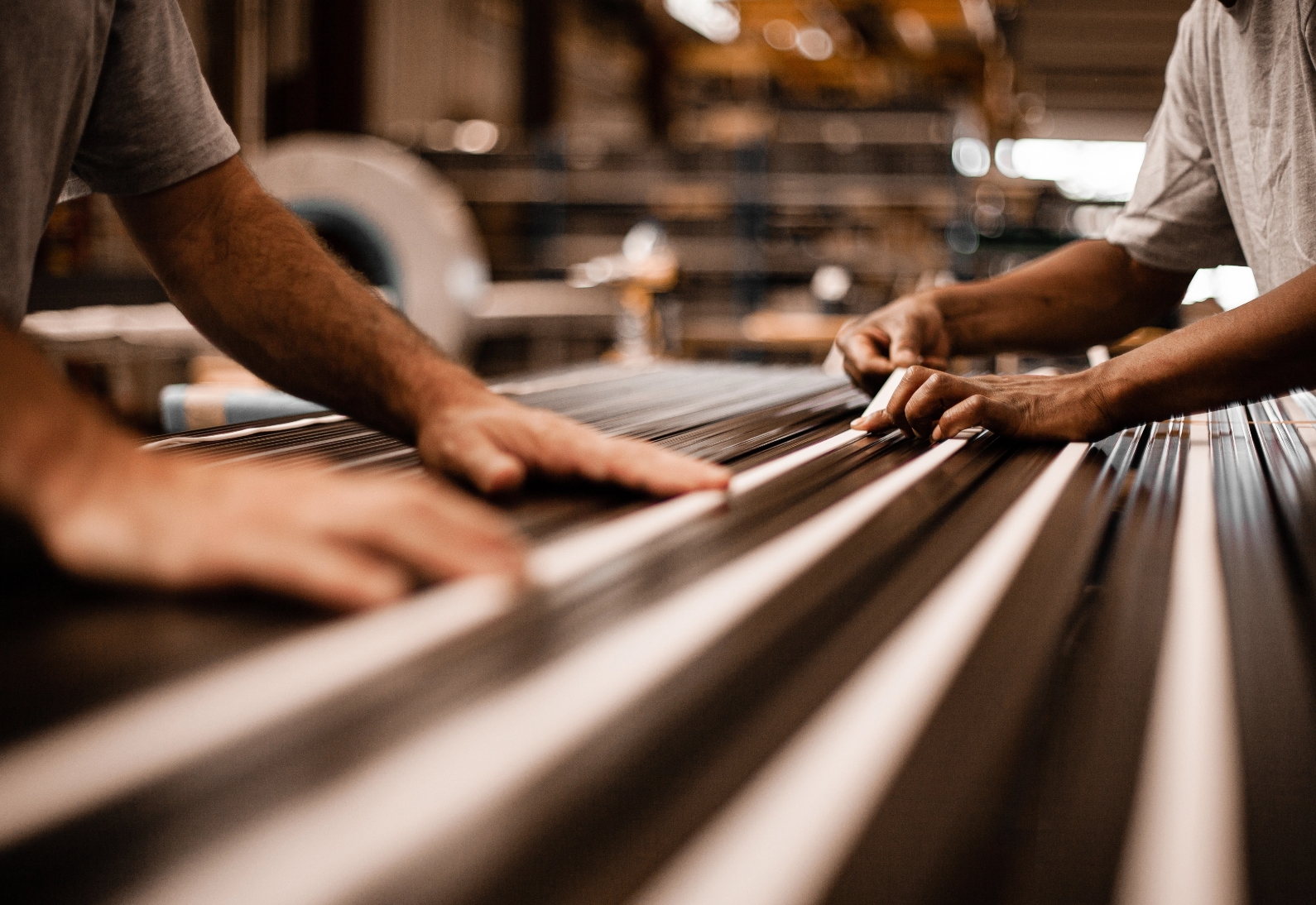
The Sheet Metal Shop demonstrates how flat sheets of metal can be transformed into useful components and structures. With equipment for cutting, bending, rolling and forming, students learn to create parts of different shapes and sizes. These processes are fundamental to manufacturing applications ranging from machine enclosures and fabricated components to products used in everyday life.

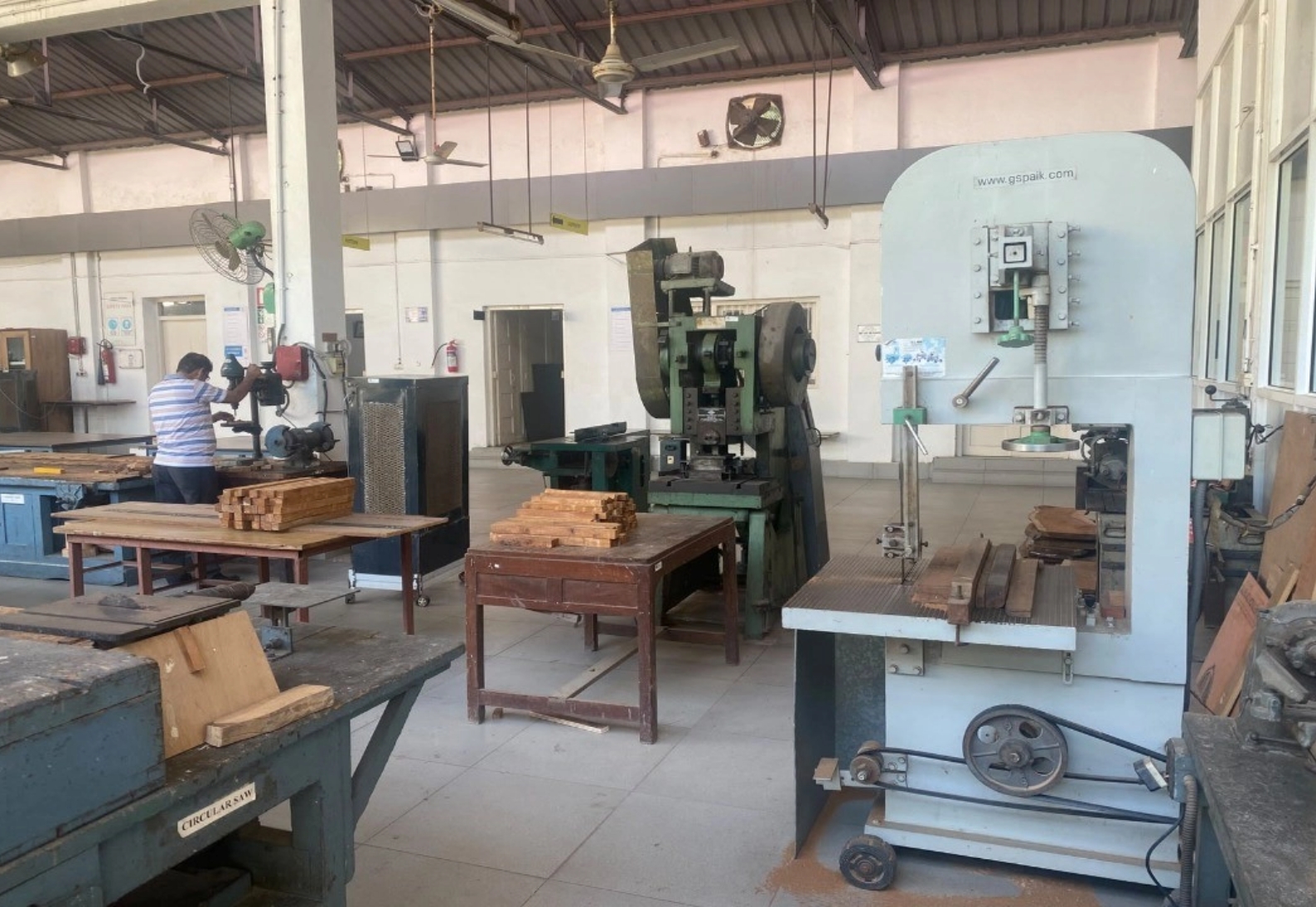
CARPENTRY AND PATTERN MAKING SHOP

The Carpentry and Pattern Making Shop introduces students to woodworking and the preparation of patterns used in metal casting. Students learn how to cut, shape and finish wood using specialised machines to produce patterns with the required dimensions and geometry. These patterns help create mould cavities into which molten metal can be poured, connecting traditional woodworking skills with industrial manufacturing.

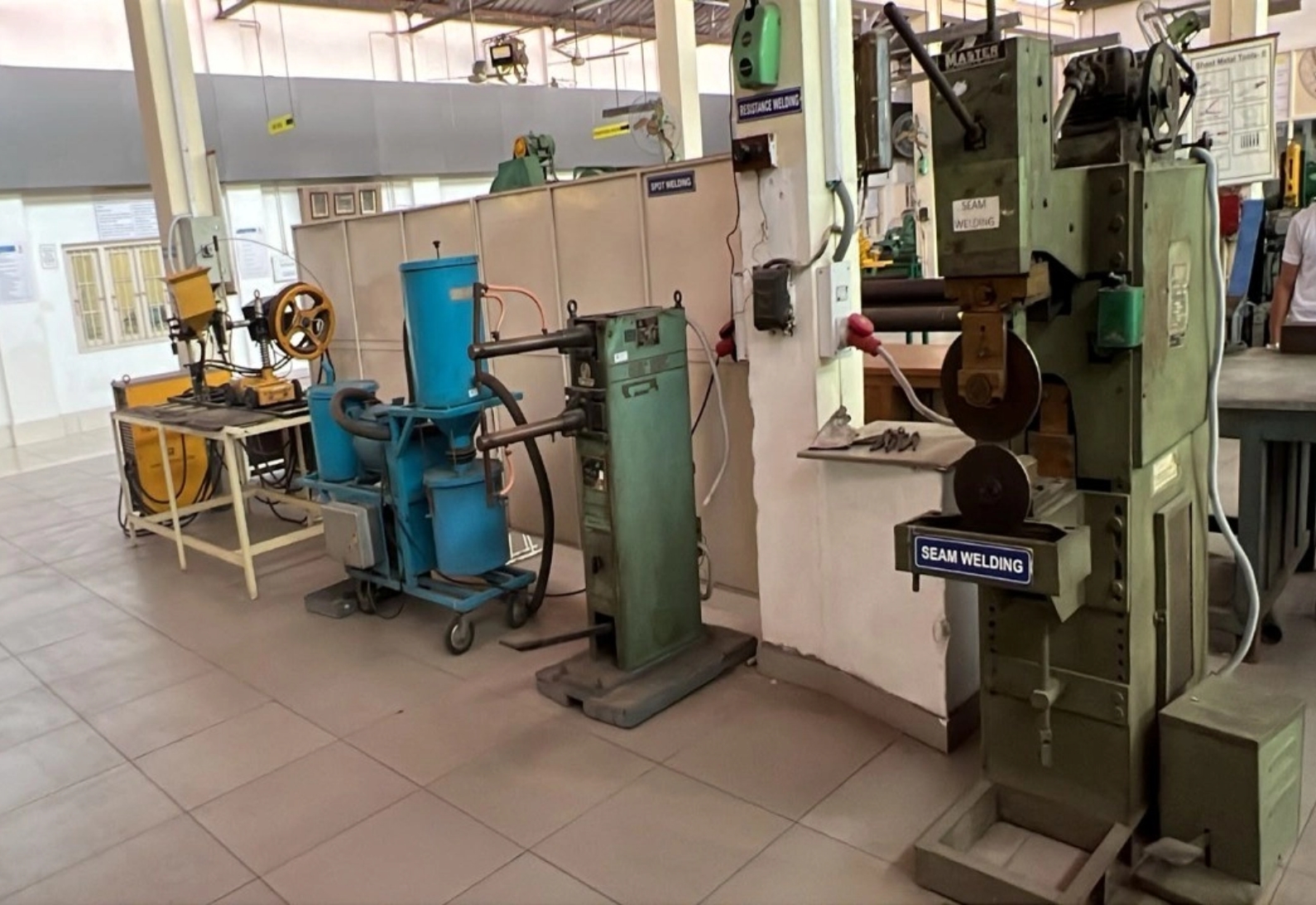
WELDING SHOP

The Welding Shop introduces students to the techniques used to join metal components in manufacturing and fabrication. It houses equipment for several welding processes, including arc welding, gas tungsten arc welding, gas metal arc welding and resistance welding. Students learn how welding parameters influence joint quality, material strength and the suitability of different processes for specific applications.

FOUNDRY SHOP

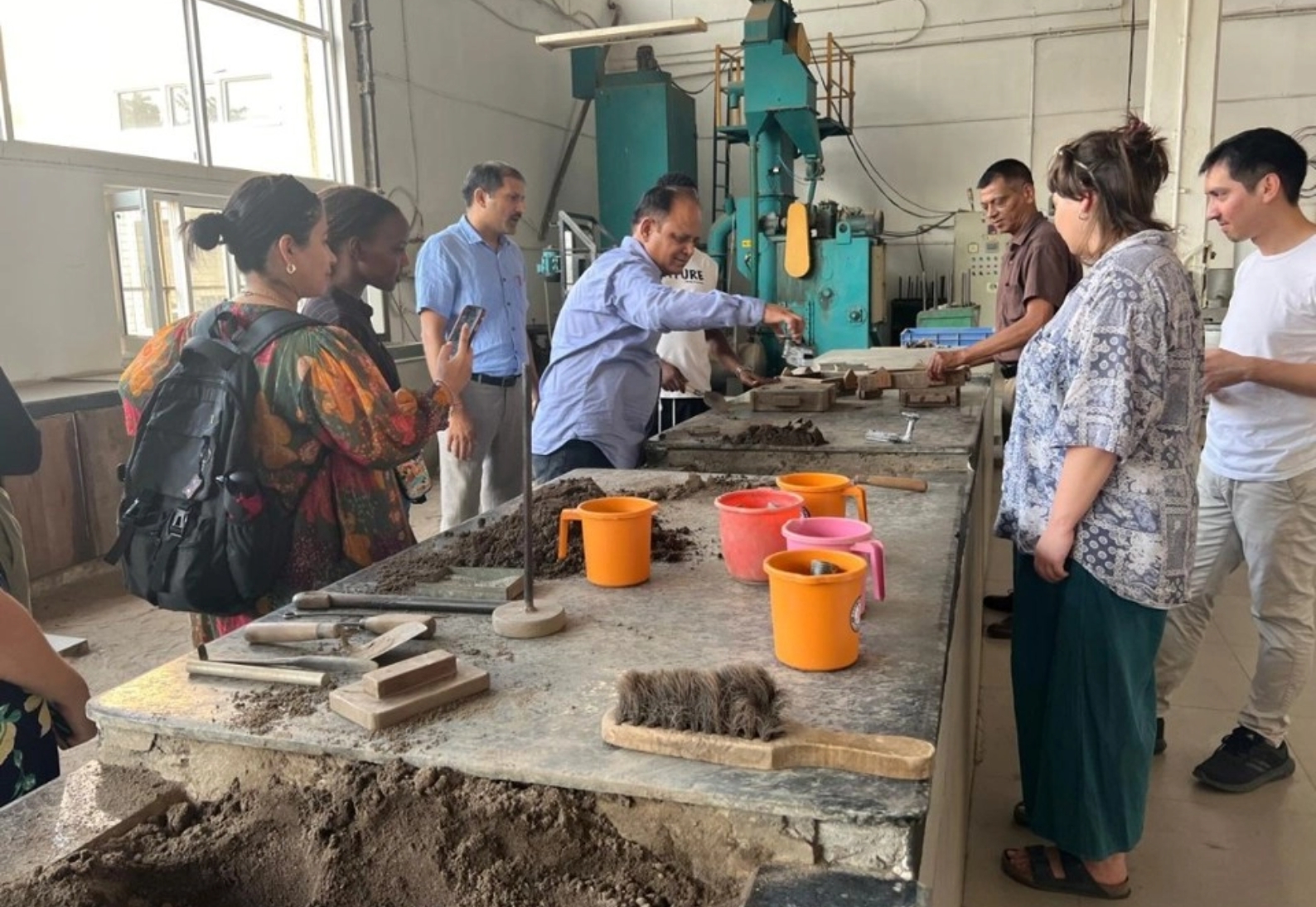
The Foundry Shop introduces students to metal casting, a manufacturing process in which molten metal is shaped using a mould. Students explore how metals and alloys are melted and formed into components, including through induction furnaces and high-pressure die casting. The shop helps them understand the journey from raw material to finished component and the role of casting in producing complex shapes for engineering applications.

3D PRINTING LAB

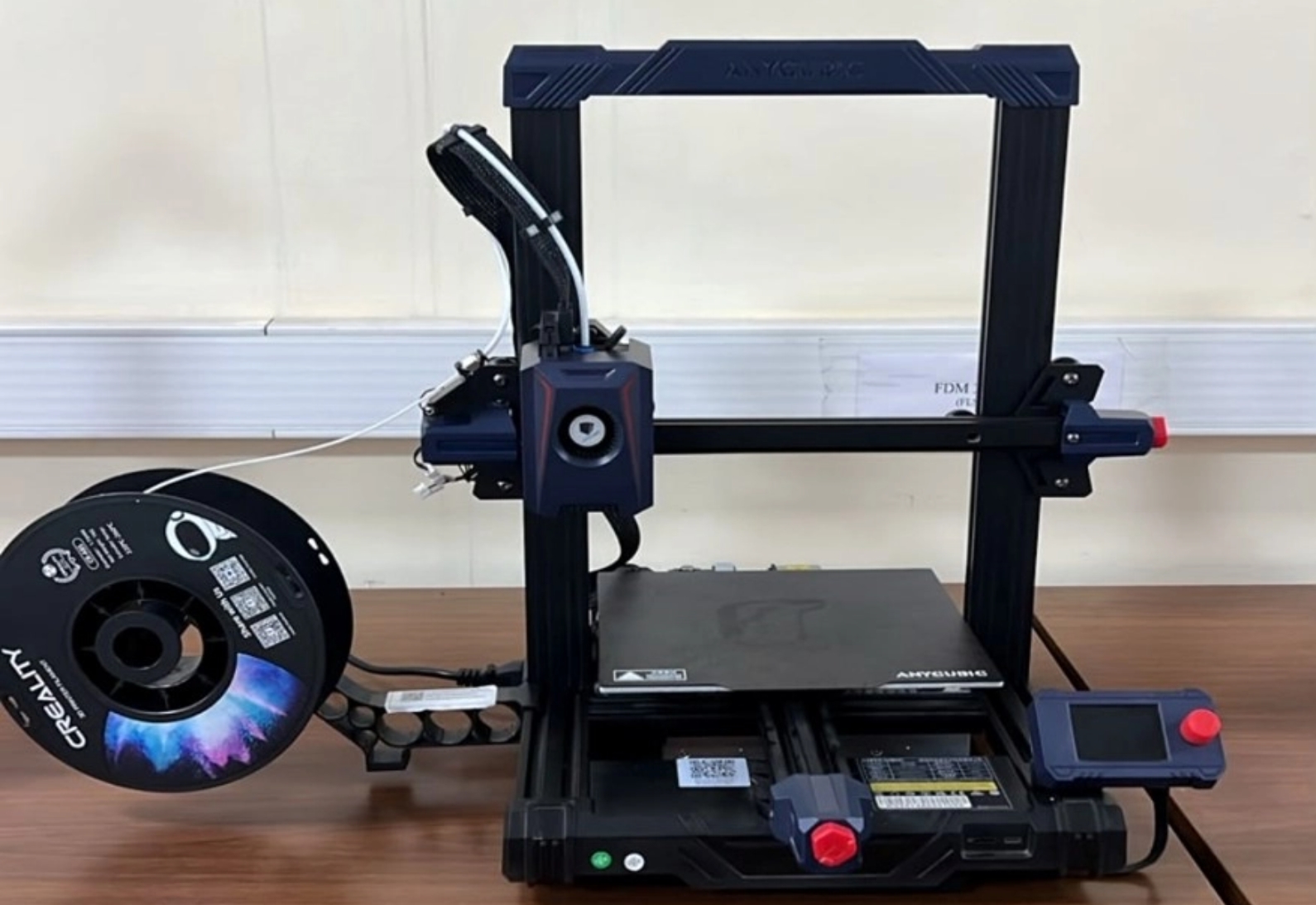
The 3D Printing Lab brings digital designs to life through additive manufacturing, a process in which objects are built layer by layer. Students develop prototypes, test designs and explore how printing parameters influence the quality and performance of a component. The lab also features versatile equipment for 3D printing, laser engraving and CNC carving, supporting experimentation, product development and creative problem-solving.

SAND TESTING LAB

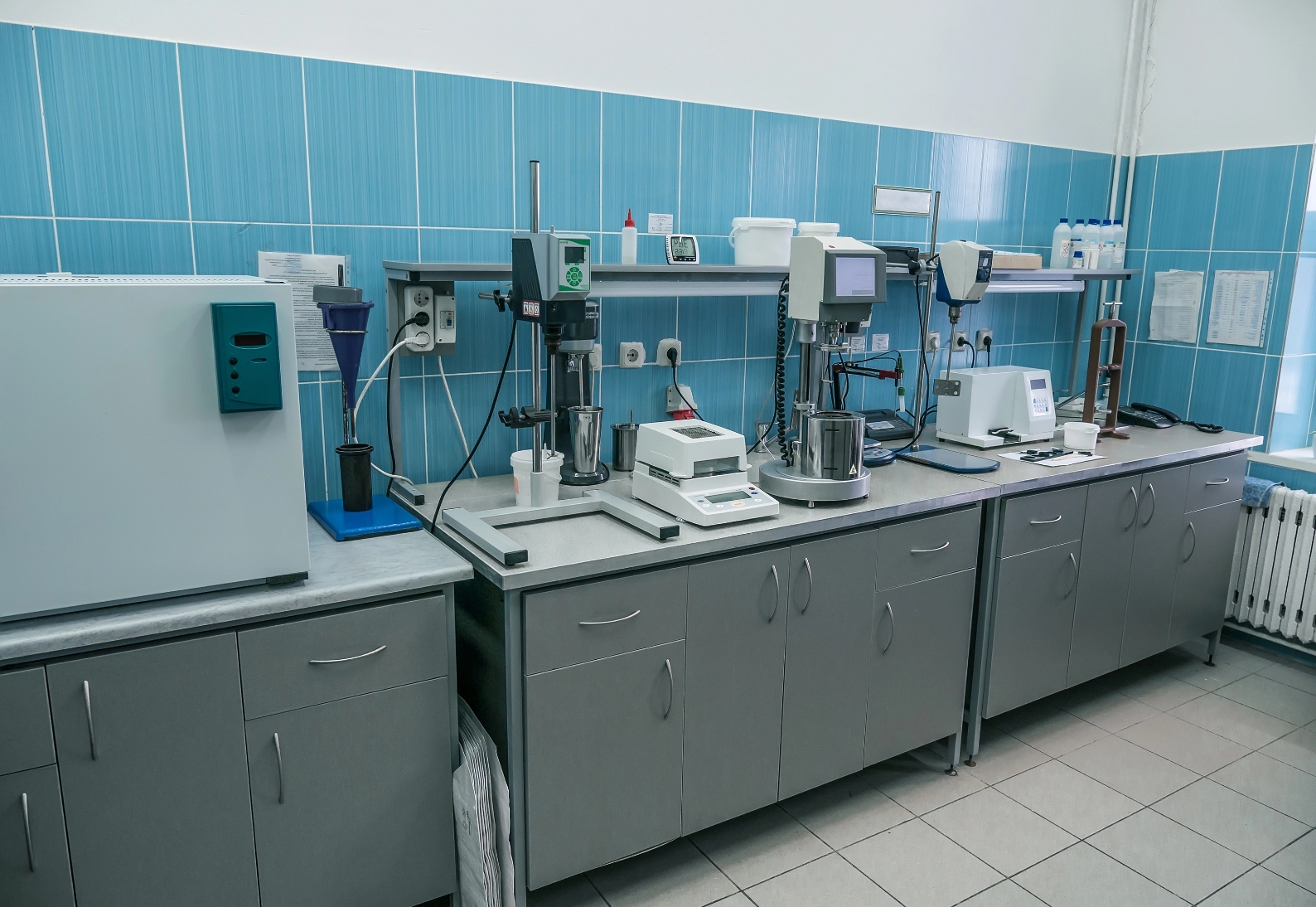
The Sand Testing Lab focuses on testing and preparing the moulding sand used in metal casting. Students examine properties such as grain size, moisture content, permeability and strength to understand how sand quality affects the casting process. Through testing and material preparation, they learn how to assess moulding sand and reduce the risk of defects in finished metal components.

WELDING SIMULATOR LAB

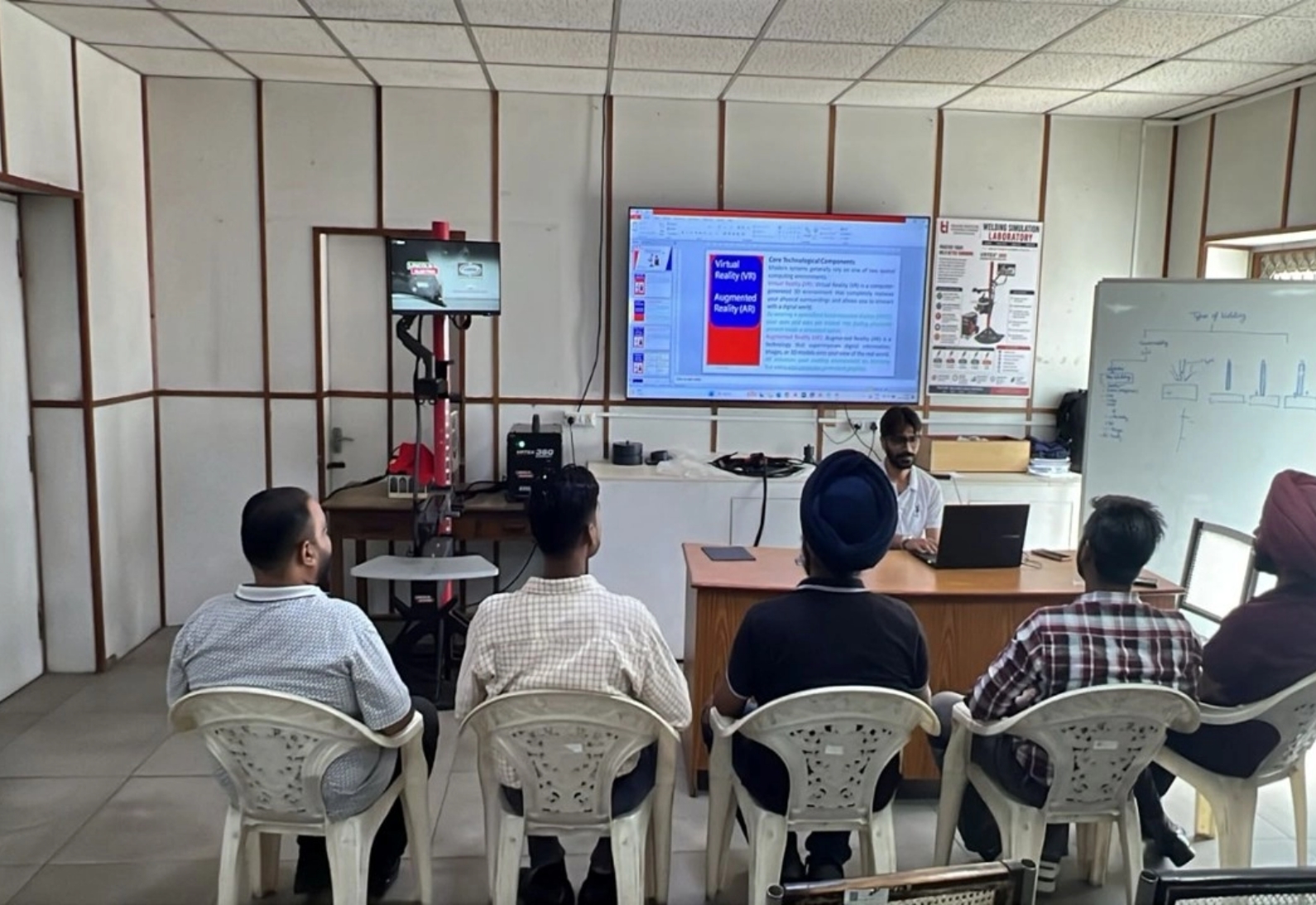
The Welding Simulator Lab offers a virtual environment in which students can practise welding techniques without immediately working with live welding equipment. Using a virtual reality-based simulator, they learn to control parameters such as travel speed, torch angle and arc length while receiving feedback on their technique and weld quality. The lab supports safe, repeatable practice across different welding processes and joint configurations before students move to practical welding applications.